Home » Marriage Counselor & Couples Therapist » Barrington, NJ
Less Reacting. More Listening. Real Reconnection.
When an affair, emotional cheating, repeated conflict, or growing distance leaves you unsure what comes next, couples therapy can give you a structured place to slow down, understand what is happening beneath the conflict, and begin responding differently.
At See You Through It Counseling, master’s-trained LPC and LAC counselors use trauma-informed care and relationship-focused approaches to help couples move beyond surface-level advice. The goal is to understand the pattern creating distance and develop changes you can carry into conversations at home.
Our practice is located in Laurel Springs and serves couples from Barrington and throughout South Jersey. You can meet with us in person or use secure telehealth from within New Jersey when coordinating work, childcare, transportation, or two different schedules makes online care more practical.
You deserve more than a place to repeat the same argument. Our marriage counselors take time to understand what happens beneath the conflict, including the fears, unmet needs, assumptions, and past experiences influencing how each partner responds.
We make room for both perspectives without treating either person as the entire problem. Your counselor will help you establish shared goals, address painful patterns without shame, and connect what happens during therapy to the conversations you have at home.
Finding the right marriage counselor means considering more than credentials. You need someone whose experience fits the concerns affecting your relationship and whose style allows both partners to participate honestly. Our counselors provide in-person couples therapy at the Laurel Springs office and secure telehealth for clients throughout New Jersey.
The counselors below provide marriage and couples counseling through See You Through It. Select any counselor’s name to review their complete background.
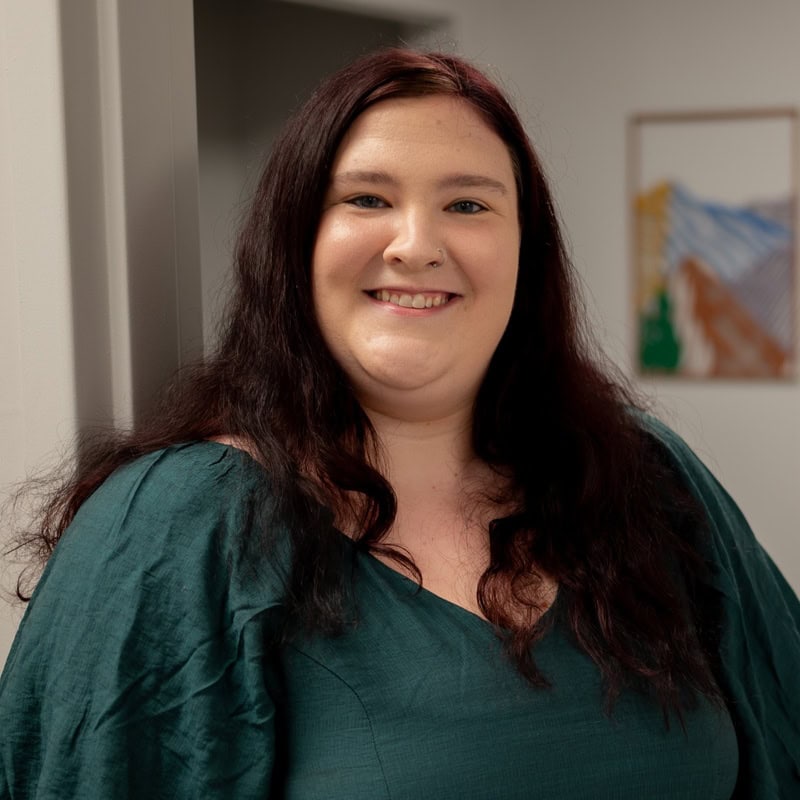
Frequent arguments, identity concerns, affair recovery, or difficulty rebuilding trust and intimacy can pull partners in different directions before they realize how distant they feel. Lindsey creates a warm, pressure-free environment for younger couples and LGBTQ+ couples where both people can untangle what is happening without judgment. Using CBT, DBT, interpersonal psychotherapy, and Gottman Method Level 1, she works alongside couples to build practical communication and conflict-management tools they can use at home.

When stress from work or past experiences begins shaping conversations at home, both partners may feel misunderstood or unsure how to reach each other. Jeff offers a direct, empathetic approach, using humor when appropriate to help couples lower tension and speak more openly about what is happening. Drawing from Gottman Method Level 1 training and more than 23 years in federal law enforcement, he brings practical insight to his work with military, law enforcement, first-responder, and other couples navigating demanding circumstances.

When past hurts and repeated conflict start creating distance between you and your partner, it can leave both of you feeling stuck in patterns that are difficult to break. Kendall supports couples experiencing high conflict, frequent arguments, communication breakdowns, affair recovery, or difficulty rebuilding trust and intimacy. Using client-centered tools, her collaborative approach helps partners unpack the root causes of their conflict and cultivate clearer mutual understanding.

When resentment and repeated conflict make the relationship feel more exhausting than comforting, Morgan offers a welcoming, strengths-based environment where both partners can lower their defenses. She helps couples across the adult age spectrum, including LGBTQ+ couples, explore how communication breakdowns, affair recovery, loss of trust or intimacy, and each partner’s individual needs may be contributing to emotional disconnection. Using the Gottman Method alongside client-centered and strengths-based approaches, Morgan helps each person feel heard, recognize what still works, and rebuild mutual understanding.

When trauma, betrayal, or a loss of trust and intimacy creates distance between partners, the relationship can become overwhelmed by concerns that feel too complicated for ordinary advice. Alyssa brings a direct, active style to this work. She helps couples examine how painful experiences affect their shared dynamic using psychodynamic therapy, DBT, somatic therapy, and Gottman Method Level 1 without reducing either person to a diagnosis.
Couples often seek support when a concern is no longer staying contained. A question about plans becomes evidence that one person does not care. A disagreement about money begins carrying years of fear or resentment. Counseling helps you address both the topic and the interaction surrounding it.
Relationship concerns can overlap with needs that deserve their own support. If earlier experiences are shaping safety, trust, or reactivity, learn about trauma therapy. If recurring conflict is connected to a child’s emotional or behavioral needs, explore teen and child therapy. When food, body image, or eating-related concerns are affecting the household, review eating disorder therapy. These services can complement relationship work when clinically appropriate.
EFT, CBT, and the Gottman Method are common examples, not the full scope of your care. Your counselor may draw from these and other appropriate approaches based on their training, your relationship, and the goals you and your partner establish together.
EFT helps couples recognize the attachment needs and vulnerable emotions beneath anger, withdrawal, or defensiveness. This can make it easier to respond with empathy instead of repeating the same reaction.
CBT brings attention to the thoughts and assumptions that intensify conflict. Couples can learn to question those reactions and communicate more intentionally.
The Gottman Method provides structured tools for managing disagreement, repairing after conflict, strengthening friendship, and protecting intimacy.
See You Through It Counseling does not have a separate office in Barrington. Our practice is located in nearby Laurel Springs and serves couples from Barrington, Camden County, and communities throughout South Jersey.
In-person counseling: Meet at 1377 Chews Landing Road, Laurel Springs, NJ 08021.
Virtual counseling: Secure telehealth appointments are available to clients located anywhere in New Jersey.
Questions before scheduling: Call 856-335-1352 or use our appointment form to ask about counselor fit, availability, fees, or session options.
We also serve couples throughout South Jersey, including the communities listed below.
Couples counseling is collaborative, but it is not directionless. Your therapist helps you understand why the current pattern keeps repeating, agree on what you want to work toward, and notice whether the work is changing how you respond outside the session.
The first conversations cover your relationship history, what prompted you to reach out now, and what tends to happen before, during, and after a difficult exchange. Both partners have room to explain what the situation feels like from their side.
The assessment also helps determine whether joint counseling is clinically appropriate. When there is active domestic violence or physical altercations, your counselor may recommend a different, safety-focused form of support.
You and your counselor identify goals that can guide the work. A goal might involve discussing a recurring topic without escalation, rebuilding reliability after a breach of trust, or making a decision with greater honesty and less pressure.
You do not need to agree on every detail or feel certain about the relationship’s future before beginning therapy. For some couples, progress means rebuilding the relationship; for others, it may mean deciding to separate with greater clarity, respect, and care.
Your therapist helps you recognize the needs, fears, and protective reactions underneath the pattern. Understanding why each person responds the way they do can make it easier to interrupt the cycle before it takes over the conversation.
When clinically appropriate, separate individual support may help one or both partners address personal experiences affecting the relationship. It is not required for every couple, and your counselor can explain when it may or may not support the shared work.
The terms are often used interchangeably. Marriage counseling usually refers to support for married spouses, while couples therapy can include dating, engaged, and other committed partners. See You Through It works with couples at different relationship stages.
Our couples therapy session rates range from $170 to $245 per session, depending on the clinician’s licensure and level of clinical specialization. See You Through It Counseling is an out-of-network, private-pay practice and does not accept insurance or bill insurance companies directly. Superbills may be available if you want to pursue reimbursement through eligible out-of-network benefits. Review the current fee and insurance information before scheduling.
Yes. Secure telehealth sessions are available to couples located in New Jersey, making it easier to coordinate counseling around work, childcare, transportation, or separate schedules.
Focus on what you hope will improve rather than presenting therapy as a way to fix your partner. Explain that counseling gives both people room to be heard and is not about assigning blame.
No single percentage can predict the outcome of an individual relationship. Progress depends on the concerns involved, each partner’s participation, and how consistently the couple practices what they learn.
If difficult conversations keep ending in the same hurt, distance, or misunderstanding, you do not have to keep trying to change the pattern without support. Our marriage counselors serving Barrington can help you understand what keeps creating distance and begin practicing a more workable way to communicate and reconnect.