Home » Marriage Counselor & Couples Therapist
Meet at our Laurel Springs office with master’s-level counselors who use trauma-informed, relationship-focused care to help both partners understand recurring patterns and practice healthier responses.
When an affair, emotional cheating, or severe distance has changed the future you imagined together, couples counseling at our Laurel Springs office can help you slow the reaction cycle, understand what each person needs, and approach the next decision with greater clarity.
See You Through It Counseling is located in Laurel Springs and serves couples throughout South Jersey. Married, engaged, dating, and long-term partners can meet at the office or use secure telehealth from within New Jersey when life makes in-person sessions difficult.
Most couples do not seek support because of one difficult conversation. They reach out when the same hurt, distance, or misunderstanding keeps returning and neither partner knows how to change what happens next.
Couples therapy may help when:
Couples need more than a neutral room in which to repeat the same argument. They need a counselor who can listen for the pattern underneath it, help each person speak more clearly, and keep difficult conversations from turning into another contest over who is right.
The practice’s master’s-level Licensed Professional Counselors and Licensed Associate Counselors bring different specialties and counseling styles to the work. You can review the therapist directory before reaching out, or ask the practice to help identify a counselor whose experience, approach, and availability align with both partners’ needs.
The common thread is warm, trauma-informed care that helps clients feel genuinely seen while connecting what happens in therapy with the relationship they live in every day
Counseling is not a place for a therapist to declare a winner. Your counselor helps both people examine the emotions, assumptions, and outside pressures influencing the relationship, then identify where a different response may become possible.
The right fit is someone whose style allows both partners to participate honestly—even when the conversation becomes uncomfortable. As the work develops, your goals and approach can be revisited so sessions remain connected to what you are trying to change at home.
Joint counseling is not appropriate when both partners cannot participate safely and freely. If active domestic violence or physical altercations are present, See You Through It may recommend individual care or another specialized, safety-focused form of support.
The counselors below provide couples and marriage counseling through See You Through It. Each brings a different clinical focus and therapeutic style, helping you compare who may fit the concerns affecting your relationship. Select a counselor’s name to read their complete profile, or explore the full See You Through It counseling team.
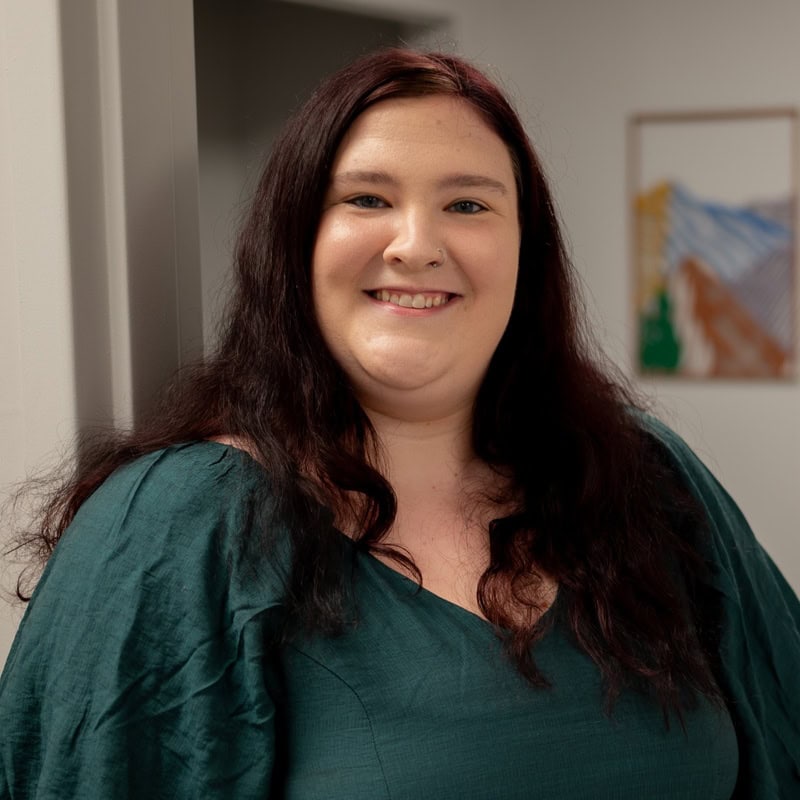
When frequent arguments, identity concerns, or a loss of trust begin pulling you and your partner in different directions, it can be difficult to feel connected while managing everything else on your plate. Lindsey works with younger couples navigating relationship stress, emotional distance, and major changes with a warm, judgment-free approach. She draws from CBT, DBT, Interpersonal Psychotherapy, and Gottman Method Level 1 training to help partners develop practical communication and coping skills.

When work stress, trauma, or a major life transition begins following a couple home, it can become difficult to communicate without feeling overwhelmed or misunderstood. Jeff brings directness, empathy, and a touch of humor to help partners understand what is contributing to the strain and have more productive conversations. Drawing on Gottman Method Level 1 training and more than 23 years of federal law enforcement experience, he offers a practical, collaborative approach that may be especially meaningful for military, law enforcement, and first-responder couples.

When past hurts and recurring conflict start creating distance between you and your partner, it can leave both of you feeling stuck in patterns that are difficult to break. Kendall works with couples navigating high-conflict dynamics, frequent arguments, communication breakdowns, affair recovery, and changes in trust or intimacy. Her warm, collaborative approach incorporates client-centered techniques to help partners understand what is happening beneath the surface and move toward greater understanding together.

When resentment and repeated conflict begin replacing the comfort you once found in your relationship, it can be difficult to know how to reconnect. Morgan works with couples across the adult age spectrum experiencing emotional disconnection, frequent conflict, affair recovery, loss of trust or intimacy, and difficulty understanding each other's needs. Her welcoming, client-centered style gives both partners space to feel heard while building on their strengths. She incorporates Gottman Method Level 1 training alongside client-centered and strengths-based approaches.

When relationship struggles become tangled with trauma, communication breakdowns, betrayal, or a loss of trust and intimacy, it can be difficult for both partners to know where to start. Alyssa works with couples facing these heavy concerns and brings a direct, collaborative approach that respects each partner without reducing either person to a diagnosis. She has completed Gottman Method Level 1 couples training and uses Psychodynamic Therapy, DBT, and Somatic Therapy.
A relationship concern rarely stays confined to one topic. The way you argue about money may also affect trust; the way you divide parenting responsibilities may shape intimacy. Counseling helps you address the concern and the interaction surrounding it.
Some relationship concerns overlap with needs that deserve focused care. If past experiences are shaping safety, trust, or reactivity, explore trauma therapy. When parenting conflict centers on a child’s emotional or behavioral needs, learn about teen and child therapy. If food, body image, or eating-related concerns are affecting the relationship or household, review eating disorder therapy. These services may complement couples counseling when clinically appropriate.
Understanding a pattern matters, but couples also need ways to respond differently when it appears again. EFT, CBT, and Gottman-informed work are three approaches a counselor may use. They are not the full scope of care; your therapist may draw from these and other clinically appropriate methods based on training, the concerns you bring, and the goals you set together.
EFT looks beneath a couple’s protective reactions to the need for safety, reassurance, or connection. Recognizing what anger or withdrawal is protecting can help partners reach for each other more directly.
CBT helps couples notice interpretations that quickly turn an uncertain moment into proof of rejection, disrespect, or failure. Testing those assumptions creates room for clearer questions and less reactive choices.
Gottman-informed work gives couples concrete ways to soften the start of a hard discussion, de-escalate conflict, attempt repair, and strengthen the friendship that supports the partnership.
See You Through It Counseling is located in Laurel Springs and serves couples throughout South Jersey. Local couples can meet face-to-face where the practice is based, while secure telehealth appointments remain available throughout New Jersey.
We also welcome couples from communities throughout South Jersey, including those listed below:
Sessions follow a clear progression without forcing every relationship into the same script. You and your counselor establish what needs attention, trace how the current dynamic operates, and connect what you learn in the office to choices you can make between appointments.
Early sessions build a shared picture of the relationship: its history, strengths, current strain, and the event or pattern that made support feel necessary now. Each partner can describe the problem in their own words.
Shared goals turn a broad wish to ‘communicate better’ into something you can work toward. You might focus on staying engaged during disagreement, restoring dependability after trust was damaged, or approaching an important decision without threats or avoidance.
Your therapist maps what tends to set the cycle in motion, how each response affects the next, and which fears or attachment needs may be involved. Seeing the sequence sooner gives both partners more opportunity to change it.
At times, one partner’s individual concern needs space that joint sessions cannot provide. Separate trauma therapy may be relevant when an earlier experience is affecting present-day trust, safety, or emotional reactions. Your counselor can discuss whether individual care would support the relationship work; it is not an automatic part of couples therapy.
It is reasonable to want practical answers before discussing counseling with your partner or deciding whether to schedule. These questions address several concerns that commonly make the first step feel uncertain.
Both terms describe counseling focused on a relationship rather than only one partner. ‘Marriage counseling’ is commonly used for spouses, while ‘couples therapy’ also includes partners who are dating, engaged, living together, or otherwise committed. The practice supports couples across these stages.
Current fees for a 50-minute couples session range from $170 to $245, depending on the counselor. See You Through It is a private-pay, out-of-network practice and does not accept insurance or submit claims directly. If your plan includes out-of-network mental health coverage, you may be able to request reimbursement with a superbill. Review current couples counseling fees and reimbursement information before scheduling.
Yes. Secure online appointments are available when both partners are in New Jersey at the time of the session. Telehealth can reduce the coordination involved in getting two people to the Laurel Springs office around work, childcare, or transportation.
Lead with the change you want for the relationship rather than a list of your partner’s faults. Let them know the goal is for both perspectives to be understood. An initial session can be framed as a chance to ask questions and evaluate the process—not an admission of blame or a commitment to a predetermined result.
A general statistic cannot forecast the future of a specific marriage. Outcomes vary with the nature and duration of the concern, how both partners engage, and whether new skills are used outside appointments. Therapy offers structure for understanding the relationship and deciding how to move forward with greater clarity.
You can begin by telling the counselor what keeps happening and what you want to be different. The first appointment also lets both partners ask questions and assess the fit. Agreement on every detail, including mutual certainty about the relationship’s future, is not required before you contact us.
Therapy may help partners work toward reconciliation, but it can also support a respectful decision to separate. A meaningful outcome is not limited to staying together.