Home » PTSD & Trauma Therapist » Washington Township
Build A Future Rooted In Healing
You’re constantly growing and evolving—don’t let trauma or PTSD keep you stuck in the past.
If you’re feeling trapped in a cycle of anxiety, a trauma therapist serving Washington Township can help you let go of painful memories and move toward a brighter future.
At See You Through It Counseling, our trauma-informed therapists meet you where you are, whether you’re coping with a single traumatic event or the lasting effects of childhood trauma. With our evidence-based guidance, you’ll learn practical coping tools, safely process your experiences, and rebuild a sense of control, confidence, and emotional stability.
Healing starts with an appointment. Let’s take your first step together.
Our PTSD therapists have years of experience helping clients as they work through trauma, PTSD, and long-term emotional distress. Every specialized trauma therapist on our team holds a Master’s degree in Mental Health Counseling and is a Licensed Professional Counselor or Licensed Associate Counselor, creating a safe, supportive space for your healing journey.


Sometimes, in-person therapy feels too overwhelming or unattainable, so our online sessions remove that barrier. Our trauma therapists offer secure telehealth sessions, so you can get the help you need from a place where you already feel comfortable and grounded.
The trauma healing process can’t be rushed. Our trauma therapists help you feel grounded first, then gently move toward deeper healing and long-term change.
Before revisiting painful memories, your therapist will help you feel grounded and emotionally secure. Together, you’ll develop tools to calm your nervous system, manage anxiety, and create a sense of control.
Once you feel comfortable, we’ll work with you to explore the painful experiences that are affecting your thoughts, emotions, and relationships. With guidance from a PTSD therapist or childhood trauma therapist, you’ll process those memories to reduce their intensity and release their grip on you.
Healing doesn’t stop after your session. Your therapist will help you apply new coping strategies in daily life, whether that means setting boundaries, improving relationships, or responding to stress with greater confidence and self-awareness.

Trauma therapy reshapes the way you see yourself, relate to others, and move through the world:
Trauma can leave you questioning your value or blaming yourself for things that were never your fault. With guidance from a childhood trauma therapist or PTSD therapist, you’ll challenge those internal narratives and rebuild a healthier, more compassionate view of yourself.
A specialize trauma therapist can help you recognize the strength you already have and teach you how to push through stressful moments. As you become more resilient, setbacks start to feel more manageable.
When trauma goes untreated, emotional reactions can feel intense and hard to control. Our PTSD therapists work with you to develop coping strategies that calm your body, organize your thoughts, and help you respond rather than react.

Understanding the effects of trauma can bring relief and clarity when your reactions feel confusing or overwhelming:
Trauma refers to the emotional impact of experiences that felt unsafe, overwhelming, or out of your control, even if others didn’t see them as “severe.”
PTSD develops when those experiences continue to control your life through symptoms such as:
A PTSD therapist can help you understand that these responses are not personal failures; they’re learned survival patterns that can be gently retrained.
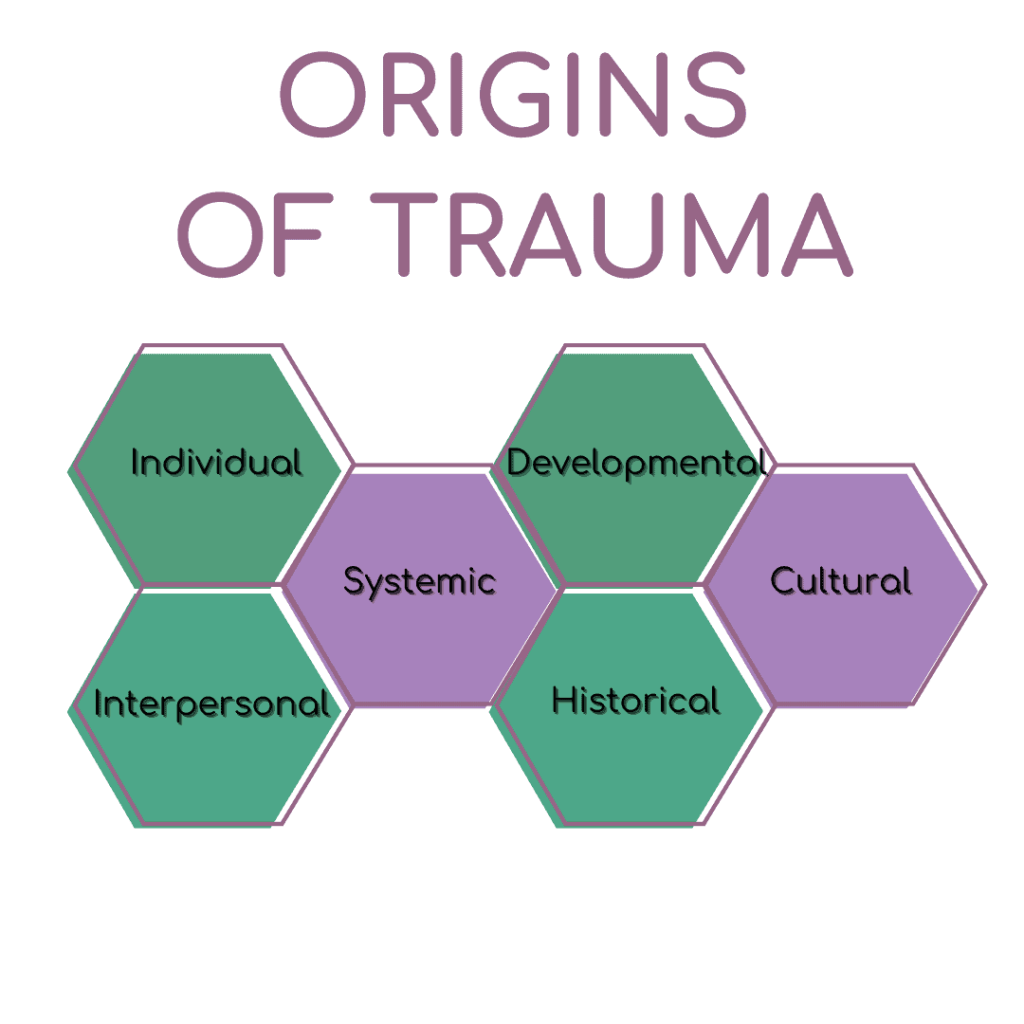
Trauma affects people in different ways. Some develop symptoms after a single overwhelming event, while others are shaped by repeated or long-term experiences—often beginning early in life or within close relationships.
Our trauma and PTSD therapists work with many forms of trauma, including:
Our treatment approach is adjusted to your history and symptoms, using evidence-based methods that help your nervous system calm, your mind process safely, and your sense of control return.

PTSD can develop after experiences that make you feel powerless or unsafe, even if the event happened long ago. Certain factors can increase your vulnerability, including:
A PTSD therapist can help you understand your triggers, strengthen coping skills, and process traumatic memories at a pace that feels manageable. Over time, this approach reduces emotional intensity and helps you feel more present, grounded, and in control.
PTSD (Post-Traumatic Stress Disorder) is a trauma-related condition that occurs when the nervous system remains stuck in survival mode after a distressing experience. This can cause emotional and physical reactions that continue long after the danger has passed.
PTSD can show up differently for everyone, but common signs may include:
A trauma therapist can help you develop tools to manage them more effectively.
Don’t let painful experiences from your past control your future. With guidance from a trauma therapist, you can regain balance, reconnect with your inner strength, and move forward with greater confidence and emotional ease.


